

STOP #5
STOP #5
STOP #5
Listen to the Audio
Natural Recycling in the Forest - Fungi
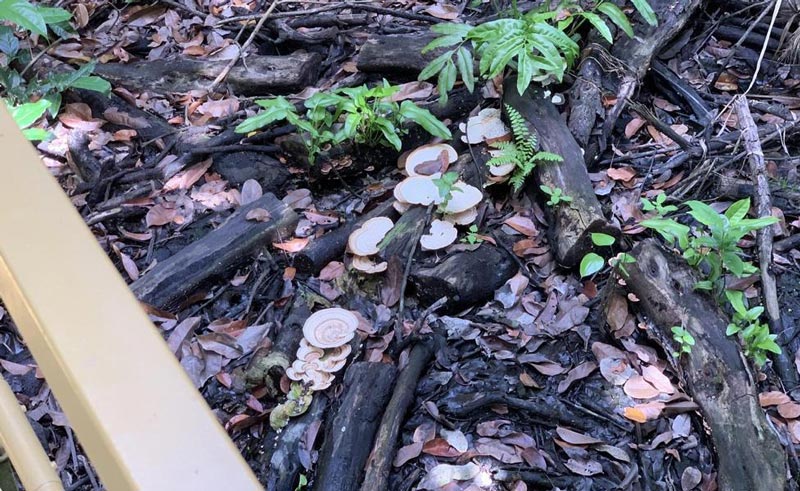
When this photo was taken, in the place where you are standing, there was a log, a fallen tree covered with fungi. You can hardly see any remains of the tree anymore. The fungi decomposed it. You will see fallen trees throughout the forest that are remnants of the impact of hurricanes and see fungi doing their job of decomposing and recycling plant material. Fungi also produce a variety of compounds that may serve other purposes such as in medicine and may also be indicators of environmental quality. These organisms, which grow on wood, leaves and soil, are saprophytes, feeding on decomposing organic materials.
Eight graduate students from Ana G. Méndez University at Gurabo, under the guidance of Professor Sharon Cantrell-Rodriguez, an expert in Mycology and Professor in the School of Natural Science and Technology, identified a total of 103 species of fungi in the Pterocarpus Forest at Palmas, as part of a three-month study.
They conducted 6 fungi collection campaigns during the months of September, October and November 2015, photographically documenting their findings and listing the characteristics of each of the specimens.
Subsequently their microscopic characteristics were observed, and, through the use of taxonomic keys, each species was identified.
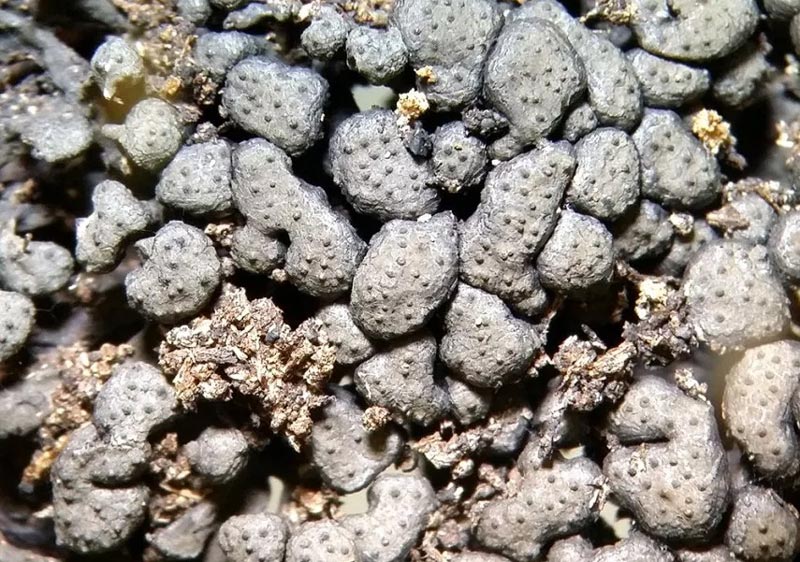
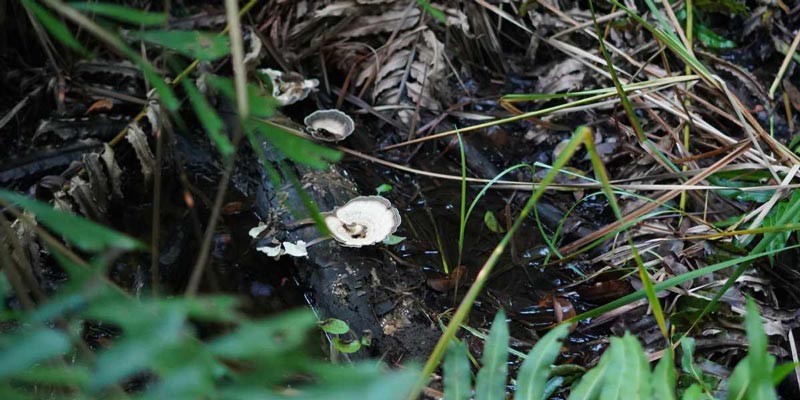
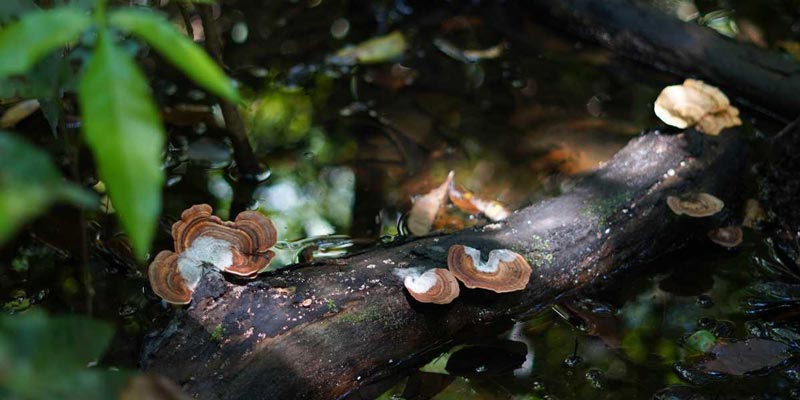
The Pterocarpus Forest has accumulated large amounts of plant material in the water and in the roots of trees, thus supporting the growth of multiple and diverse communities of fungi. At the same time, this research became one of the first accomplishments resulting from a collaborative agreement with the Ana G. Mendez University at Gurabo.
Several species of lichens were observed, such as Diorygma poteiai, Ramalina complanata and Pyxine berteriana. The less plentiful species was the mixomicetos: Stemonitis axifera, Arcyria mayor and Diderma efusum.
These organisms are the result of the symbiosis between a fungus and an alga or a cyanobacteria, to help them both survive on the ecosystems where they are found.